Discover the exciting blockchain real world use cases in 2025 that extend beyond crypto. Explore innovative applications transforming various industries on our blog!
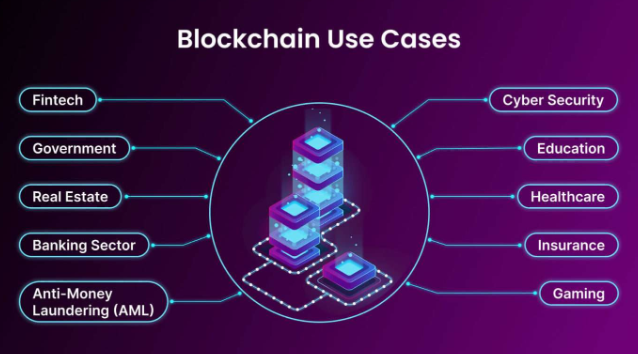
Blockchain technology is now much more than something used just for cryptocurrencies. It has become a basic tool that many industries use every day. Blockchain runs on a decentralised, distributed ledger system. This makes it better for transparency and security, while also helping businesses with their work. Today, you can find blockchain use cases in things like financial institutions and healthcare. It helps solve tough problems and brings new ideas to the table. In this article, we will look at how blockchain is changing how companies do things. We will also see how it fixes problems, makes operations smoother, and gives real benefits to people, companies, and whole communities.
Key Highlights
- Blockchain technology is driving transformation across industries like financial services, supply chain management, healthcare, and real estate by enhancing operational efficiency and data integrity through distributed ledger systems.
- Smart contracts are revolutionizing traditional processes by enabling automated and tamper-proof agreements, minimizing human error and reliance on third parties.
- In healthcare, blockchain applications are improving patient data security and ensuring the authenticity of clinical trials.
- Digital identity verification is becoming more secure with blockchain, empowering individuals to control their personal information and prevent identity theft.
- Counterfeit goods and fraud prevention in global supply chains are being tackled effectively with blockchain’s transparency features and accurate data-sharing capabilities.
- Governments are adopting blockchain for tamper-proof voting systems, public records management, and welfare distribution to enhance trust and transparency in governance processes.
Revolutionizing Financial Services with Blockchain
In the financial sector, blockchain applications are changing old ways of doing things. These give faster, cheaper, and see-through ways for people to do their transactions. Big financial institutions now use distributed ledger technology. They do this to fix problems in old systems and keep up with the rules set by regulators.
When financial services use blockchain, they can automate many tasks. This helps to lower human error and makes things run better. It also cuts down on costs caused by third-party agents. From moving money across countries to handling trade finance, ledger technology helps make things more fair for all. It also supports new business models. With decentralised platforms and better access, there will be more financial inclusion. This sets up a future with more open and easy-to-use services.
Cross-Border Payments and Instant Settlements
Old ways of sending money between countries can be hard to use. The process often includes many steps, several banks, and high fees. Blockchain technology makes this better by using what is called distributed ledger technology. This means the record of each payment is shared across many computers, making it safe and fast. You can send money straight to someone else in just seconds with platforms like Ripple (XRP), and you do not have to wait for days.
Blockchain also means you pay less in fees and do not always need big banks to help. This is good for business because it takes less time to send or get money. People can send or get payments from other countries more easily. They do not have to worry about problems or delays.
Another good thing about blockchain is its transparency. Now anyone can see every record on the ledger technology, and no one can change it. This helps stop fraud and mistakes. Blockchain technology is changing the way we do international money transfers. It connects different parts of the world and makes global trade smoother for everyone.
Decentralized Finance (DeFi) Platforms
New decentralized finance (DeFi) platforms are changing the world of financial services. You can now make peer-to-peer financial transactions and do not need to use normal banks or other old-school companies to do this. These platforms use blockchain technology. With it, you can lend, borrow, and trade in a faster and cheaper way. There are fewer costs and businesses work better.
On these platforms, you get to take care of your own assets and money. You also keep control over your sensitive information when you use them. People can join liquidity pools if they want, and they can do all these things with more safety.
As more of these decentralized networks grow, they will help more people get access to good financial services. This move will help make financial inclusion better for everyone. More people from various industries can join in, try new ways, and see their business models change and improve in the long run.
Anti-Fraud and Transaction Transparency
Blockchain solutions help fight fraud in financial transactions by making things more open and keeping data safe. Each transaction gets saved using distributed ledger technology that does not let anyone change it after the fact. This setup stops people from making unauthorized changes to the information.
Because blockchain keeps clear records, businesses can cut down on risks with financial discrepancies. The distributed ledger makes the whole process more open, so fraud has less chance to happen. This also helps build trust with all people involved.
When platforms use blockchain, financial institutions can follow rules better and handle audits with more accuracy. This technology helps them work with more accountability. It keeps data-sharing more secure and helps increase overall operational efficiency.
Blockchain in Supply Chain and Logistics
Supply chains all over the world have many problems like things not running smoothly, not having enough information, and fake products. Blockchain technology can help fix a lot of these problems. It creates one place where everyone can see the real data together.
With good data sharing and smart contracts, blockchain technology helps make supply chain management better. It lets people track items, stops fake goods, and makes things run easier. This does not just build more trust among all who work together, but it also lowers costs for them.
Product Provenance and End-to-End Traceability
Making sure that we know where products come from is very important. This is true for things like medicine, food, and expensive items. Blockchain helps a lot with this. It gives full traceability to track where products go and brings supply chain transparency.
- Platforms such as IBM Food Trust can follow where food starts and where it goes. This cuts down the time needed to track food from weeks to just seconds.
- When companies use blockchain systems, it can lower the risks around recalls and problems from contaminated items. This helps people trust these products more.
- Because there is up-to-date information, it gets easier to find out if there is an illness linked to food. This helps to keep public health safer.
When there is accurate data and quick tracking, blockchain brings more trust and good results for various industries. It keeps the supply chain strong and helps people, too.
Combating Counterfeit Goods and Ensuring Authenticity
Counterfeiting is still a big problem around the world. It is seen in electronics, medicines, and fashion goods. Blockchain helps by giving each product a digital ID that cannot be changed. This helps people in business check if a product is real.
Platforms like VeChain use the sharing of data to help protect both brands and their customers from fake items. The openness of VeChain makes sure goods meet safety and quality rules before people get their hands on them.
With more supply chain transparency, blockchain helps to build trust. It also makes everything in the supply chain clearer and helps cut down on the risk from fake goods.
Streamlining Inventory and Logistics Management
Good inventory management and smooth logistics are key for any business to do well. Blockchain technology and its applications can help make these jobs easier. It does this by using smart contracts to automate things in the supply chain. That means less work for people, fewer mistakes, and better results.
When you connect real-time data with IoT tools, you get up-to-date tracking for things like where your products are, the state they are in, and when they will arrive. Blockchain makes sharing this information with others easy and clear. It also helps with paperwork and how things move from one person to another.
With blockchain technology, you can make deals faster and save money. It helps make inventory and logistics management better. These tools can help your business grow and keep running well in today’s world.
Healthcare Transformation Using Blockchain
The healthcare industry has a hard time with problems like data security, inefficiency, and fraud. Blockchain technology can help fix these problems. It offers strong ways to improve medical records, clinical trials, and patient data sharing.
With blockchain, health information is stored safely on distributed ledgers. This helps build trust among all the people involved in healthcare. The technology also cuts down on human error and helps everyone follow the rules that are needed for data security. Blockchain is bringing new changes to the healthcare industry to make things better for everyone.
Secure Electronic Health Records (EHR)
Using blockchain technology for electronic health records (EHR) helps make data more secure and keeps it private. A distributed ledger gives safe and quick access to patient information to those who are allowed to see it. This helps cut risks that come from data breaches. In this way, every medical record can be locked with a special code and connected with smart contracts. This setup makes sure that only people who should know can get the right information. It also helps with how patients say yes or no to share their records.
Better data sharing between different healthcare groups helps with interoperability. This process makes it easy for them to work together. As a result, there is better operational efficiency, with less time or money spent on paperwork and tasks. These things make EHRs more reliable for people and organizations in the healthcare industry.
Patient Data Ownership and Consent Management
Giving people control over their own health data is changing how patients take part in their care. With blockchain technology, patients can keep their electronic health records safe. They can choose to give their healthcare providers or third parties access only when it is needed. This way, the data is stored in a way that does not put all the records in one place. It helps keep data integrity strong. The risk of data breaches goes down, too.
When people give or take back consent, this can be seen on a distributed ledger. That makes it quick and easy to manage who can see the data, which builds trust between patients and medical staff. It also helps the healthcare providers follow the rules that are needed. All of this brings a faster, better healthcare experience for everyone.
Pharmaceutical Supply Chain Integrity
Making sure there is trust in the pharmaceutical supply chain is very important, especially now, with more worry around fake drugs. Using blockchain technology helps every group involved to keep a clear and unchangeable record of what happens in the supply chain. This makes it easier for people like manufacturers, distributors, and retailers to trust each other. The distributed ledger lets everyone track products in real time. Sensitive information stays safe, and you can see the whole path a product takes from start to patient.
Because of this, it is much easier to meet regulatory compliance. The risks go down, and operational efficiency goes up for everyone working in the healthcare supply chain.
Real Estate and Property Management
The use of blockchain technology in real estate and property management is changing the way people handle deals. With blockchain-enabled property titles and land records, the process is open and safe. This helps cut down on fraud and human error. Also, smart contracts make the work faster, as they help everyone follow the terms without needing a middleman. Blockchain also makes it possible for people to own small parts of property, which opens up real estate investments to more people. These changes boost data integrity, operational efficiency, and security when it comes to property.
Blockchain-Based Property Titles and Land Registries
New applications of blockchain technology are changing how people handle property titles and land records. This makes real estate transactions clearer and helps things move faster. The use of a distributed ledger helps keep property ownership records safe and easy for anyone to check. This lowers the risk of data breaches and fake claims. Because of this, transferring a title is easier. It also helps buyers and investors do their checks quickly. With better data integrity and safe information management, blockchain technology brings more trust to the system. Now, different industries can look at property ownership and investment in a new way thanks to these applications of blockchain.
Fractional Real Estate Ownership and Investment
The rise of blockchain technology has changed the way people invest in real estate. It brings in fractional ownership, where you can use distributed ledger technology to own just a piece of a pricey property. This lets more people, not just the very rich, get into the real estate market. Using ledger technology like this leads to better financial inclusion. It lets more people join big deals that they could not before. Also, it helps with operational efficiency because it makes the whole process faster and smoother by using smart contracts. These smart contracts build trust with everyone who owns part of the property, making things clear and open for all. They also lower the usual fees that come with normal property buying and selling. Because of distributed ledger technology, many kinds of investors can take part in good real estate deals now. This change makes the field open to more people and changes how investments in real estate work.
Smart Contracts for Seamless Transactions
Smart contracts change how people carry out deals by using blockchain technology. These contracts work by themselves to follow set rules. This means there is no need for a middle person. When there are no go-betweens, it helps make every step faster and also brings down the total cost. People can do safe financial transactions with little trouble.
Smart contracts help keep data integrity. They do this by checking that both sides do what they said they would do on their own. This lowers the chance of human error. On top of that, everyone can see what is happening, which builds trust. Because of all this, many fields, like real estate and the finance industry, use smart contracts. These contracts are a good way to make sure every job gets done the right way and quickly in various industries.
Digital Identity Verification and Management
A big change is coming to how we prove who we are online because of blockchain technology. This new way uses a decentralized network. It helps keep data safe and true and lets users stay in control of their personal information. You do not need to trust third parties as much with your digital identity, so what you share stays with you. This new digital identity system also keeps your details private and safe.
Checking who you are, also called identity verification, is getting faster and simpler with this process. It means KYC steps take less time, and it is harder for data breaches to happen. The open nature of blockchain helps stop fraud and helps people feel they can trust each other when they do things online. Now, people can feel better about how their information is used with these helpful changes.
Self-Sovereign Digital Identity Solutions
Self-sovereign digital identity solutions are changing the way people handle their personal information. These digital identity systems use blockchain technology to let users have full control over their sensitive data. People do not need to depend on third parties to manage their details. Users make a verified digital signature, and it is kept safe on a decentralized ledger. This setup helps keep data integrity strong and makes things more secure.
The new system stops many problems from data breaches. It also helps people trust what happens during digital interactions. More groups in various industries are starting to use these solutions. Because of that, there is better operational efficiency and much more privacy in digital identity management.
Secure KYC (Know Your Customer) Processes
Implementing blockchain technology in KYC (Know Your Customer) helps make things safer and faster. By using distributed ledger technology, your personal information stays encrypted. It is safely shared only with the people who are allowed to see it. This means there is less risk of data breaches or mistakes made by people. Financial institutions get better accuracy when they check who you are. They can bring new customers on board quicker and still follow regulatory compliance rules. Smart contracts can also help by taking care of some verification steps on their own. This saves time and brings down the costs for the company. This new way of using ledger technology does more than just protect your information. It also makes data management more open and clear in many areas.
Preventing Identity Theft and Fraud
A strong way to stop identity theft and fraud is to use blockchain technology. It helps make data security and data safety better. This technology uses a distributed ledger, which means personal information is kept safe in a lot of places instead of just one spot. This makes it much harder for hackers to get in through one database. With this way, the risk of data breaches goes down a lot. People also have more control over their digital identity, so they get to decide who sees their details. This helps make identity verification safer and faster. On top of that, smart contracts can help manage consent on their own, so no one else can get to sensitive information or take it without permission. This adds even more security to your personal information and the whole process.
Intellectual Property, Media, and Content Distribution
In the world of intellectual property, blockchain technology is changing how we handle and share digital content. By using distributed ledger technology, creators can keep their rights safe. It also lets them track royalties in a clear way and get paid without extra steps. So, it takes away a lot of what made the old systems hard and slow.
NFTs are a new and good way for artists and musicians to make money from their work. With this, creators have more control over their intellectual property. This helps to build trust with people and makes sharing media safer on different platforms. Blockchain technology and ledger technology give people new tools to manage, sell, and use digital content.
Blockchain for Digital Rights Management
Innovations in blockchain technology make it easier to protect intellectual property now. With distributed ledger technology, creators can keep control of their digital content. This helps them make sure that data goes to the right people and that they get correct royalty payments. They do not need to depend on third parties for this. Because of this, it is harder for people to break into the system or get sensitive information without permission. This makes data security stronger. Also, smart contracts help people handle licensing agreements. They let transactions happen in an easy way and help keep sensitive information safe. This builds more trust between creators and people who buy or use their products in various industries.
NFTs for Art, Music, and Entertainment
NFTs have changed the way people see art, music, and entertainment. By using blockchain technology, these one-of-a-kind tokens help artists prove they made their digital work. This helps keep their art safe from people who want to steal it or use it without asking.
NFTs also let artists make money in new ways. Royalties are built into smart contracts, so if their work gets sold again, they get paid. This gives artists money even after the first sale.
Because of this, artists can work closer with fans. It makes people feel more connected. In today’s world, this direct link with the audience gives artists a strong, competitive edge. It helps them stand out as everything moves more into the digital space.
Royalty Tracking and Automated Payments
Handling royalty payments in the creative world has always been tough. Using blockchain technology makes the whole process clear, letting everyone track royalty payments correctly. This way, artists get fair pay for the work they do. When you add smart contracts, payments are sent out without any delay or need for people to step in. These payments happen based on set rules, and this helps reduce human error and make work better. This system, which uses no central control, also keeps data security strong. It helps people trust each other more, whether they make content or sell it. As blockchain applications become more common, tracking royalties will be a big part of how we handle intellectual property in the future.
Government, Voting, and Public Sector Applications
Innovative uses of blockchain technology are changing the way government and public sector tasks are done. Tamper-proof digital voting systems use blockchain applications to keep voting safe and fair. This system lowers the risk of fraud, so the vote counts will be right. In addition, transparent public records management means people can get important documents easily. This makes it simple for everyone to check them and puts more trust in government offices.
Also, when smart contracts are used for welfare and aid, resources go where they are needed. These applications of blockchain help lower human error and make each step of the process quicker. These new methods improve data security and raise operational efficiency. They also help people get correct information and better services.
Tamper-Proof Digital Voting Systems
Digital voting systems can now use blockchain technology. This helps to make elections safe from tampering. With a distributed ledger, each vote gets recorded in a safe way. This makes an audit trail that no one can change. It helps keep things clear and people can trust the system. Using this new way, there is less chance of fraud or human error. Voters can use digital identity to prove who they are. This makes sure their sensitive information is safe during voting. All of this helps people feel confident about the fairness of the elections.
Transparent Public Records Management
Efficient public records management helps build trust in society and keeps things clear. Blockchain technology can help with this. It uses a distributed ledger that is safe and can’t be changed to store sensitive information. This keeps data integrity strong and lowers the chances of human error. With blockchain technology, people can trust public records to be right and kept up-to-date. Also, because blockchain is decentralized, it helps with data sharing among public groups. It does this without risking security and that makes it easier to meet regulatory compliance rules. Many industries are now using different blockchain applications. It is becoming clear that these methods help save time, lower costs, and make work better for all of us.
Welfare and Aid Distribution on Blockchain
Helping people get what they need through blockchain technology is changing how support and aid are managed. This new way uses distributed ledger technology so resources can go straight to those who are in need. It helps make all steps more clear and stops fraud at the same time. With ledger technology, you can check on funds right when it happens. This gives more trust in how aid is given out and makes sure things go where they should.
Blockchain applications also use smart contracts that help follow the rules without slowing things down for welfare programs. These contracts help make sure everything works fast and easy. As more groups start using distributed ledger technology, it helps everyone work better and cuts down on busy work. Over time, this means a system that helps more people, is more open, and works well for everyone.
Conclusion
As blockchain technology grows, more industries are starting to use it in new ways. You can see this technology helping to keep data safe in healthcare. It is also making real estate transactions much easier and faster. Many blockchain applications aim to make work better and add more trust and clarity to what people do at work.
This change is not just about those areas. There are changes in digital identity and also with how intellectual property is handled. All of these new uses be about making things safe, fast, and easy for people in different fields. If people want to keep up with the fast-changing world, they will need to use these new blockchain solutions. This will help make businesses and key industries strong for the future.
Frequently Asked Questions
What are the main benefits of blockchain beyond cryptocurrencies?
Blockchain helps to make things clear, safe, and fast in many areas. It lets people use money services without a central bank. It helps keep data safe in healthcare. Blockchain also makes real estate deals easier and faster. On top of that, it helps manage digital identity, and it protects intellectual property rights. Because of this, blockchain is useful for more than just cryptocurrencies.
How is blockchain improving healthcare data security?
Blockchain helps keep healthcare data secure. It stores records in a way that no one can change them, and the storage is not all in one place. This makes sure that only people who are allowed to see patient information can get to it. The system helps cut down on data breaches and stops people from getting in who should not. Because of this, people are more likely to trust electronic health record systems and feel good about their data security.
Can blockchain really make voting systems more secure?
Yes, blockchain can help make voting more secure by giving us systems that the people cannot change without it being noticed. This adds transparency and helps track every vote. In blockchain voting, each vote is kept as a block in the chain. It makes it very hard for anyone to change anything. This helps reduce fraud and helps people trust the voting process.
What role does blockchain play in combating counterfeiting?
Blockchain technology makes everything clear and easy to track. This helps businesses check if a product is real or not. With blockchain technology, each deal is written down in a way that cannot be changed. Because of this, fake goods are less likely to end up in the market. You can see this in various industries. These include luxury goods and medicine. People stay safe, and the brand’s name stays good.
Is blockchain adoption growing in the United States?
Yes, more people in the United States are using blockchain now. Many areas are starting to see what this new way of keeping records can do. Companies in finance, healthcare, and real estate are starting to use blockchain more. They like that it can help with security, give more transparency, and make things work better. This is why these groups are looking into blockchain for their work.