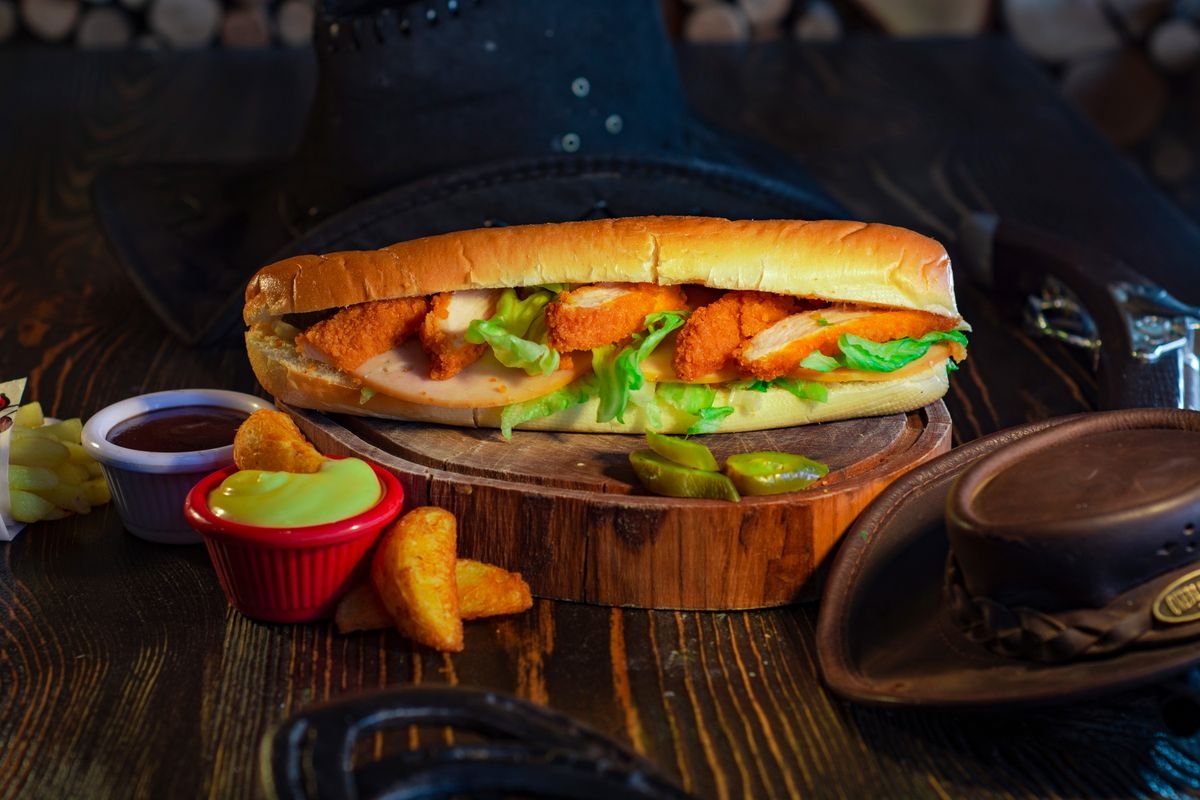
The Ebi Filet-O is associated with Japan, where a shrimp patty is served in a sandwich format. "Ebi" is the Japanese word for shrimp. We describe it here as a regional item that has appeared on menus at various times, and we cannot confirm whether it is available today. Check the Japanese menu before you plan anything around it.
What the name tells you
The name combines the Japanese word for shrimp with a familiar sandwich naming pattern. It signals a seafood patty rather than fish, which sets it apart from the standard fish sandwich. Seafood-forward items are popular in many places, and Japan has a strong culinary tradition around shrimp.
Texture and flavour
Shrimp patties are usually described as having a firmer, slightly sweet bite with a crisp coating. The sauce and toppings differ by version. Because we cannot provide a current ingredient list, treat any description here as general and verify details locally.
Is it on the menu now?
Regional items are frequently seasonal, rotated or withdrawn. A product visible in an old article may no longer be sold. The only dependable check is the current Japanese menu or official app, ideally in Japanese or through a translation tool, and a quick call or visit to a participating restaurant.
Reading seafood menus while travelling
When you travel in a country with a different language, a few simple habits help with menus. Learn the word for the main ingredient, look at pictures on kiosks, and use a translation app for descriptions. Check for allergen icons, which many kiosks display. If you are unsure about an ingredient, ask staff in simple words or show a translated note. Remember that regional products may rotate quickly, so the kiosk is the best guide for what is available today. Having a backup choice avoids frustration if your first pick is sold out. These habits make dining abroad less stressful and let you focus on enjoying local flavours, and they also help you notice interesting items that you might otherwise miss entirely because you only looked for the product you came in expecting to find.
Travel planning tips
If you are visiting Japan, treat this as a bonus rather than the focus of the trip. Other local limited-time items may be on offer. Learn the key menu terms, such as ebi for shrimp, and remember that kiosk ordering may differ from counter service.
Allergen caution
Shellfish is a serious allergen, and shared cooking equipment is possible in any kitchen. Anyone with an allergy should consult the official Japanese allergen information and ask staff directly. This guide is unofficial and cannot assess your personal risk.
Editorial author: Rabeea Naseer · Independent publication, not an official company source.