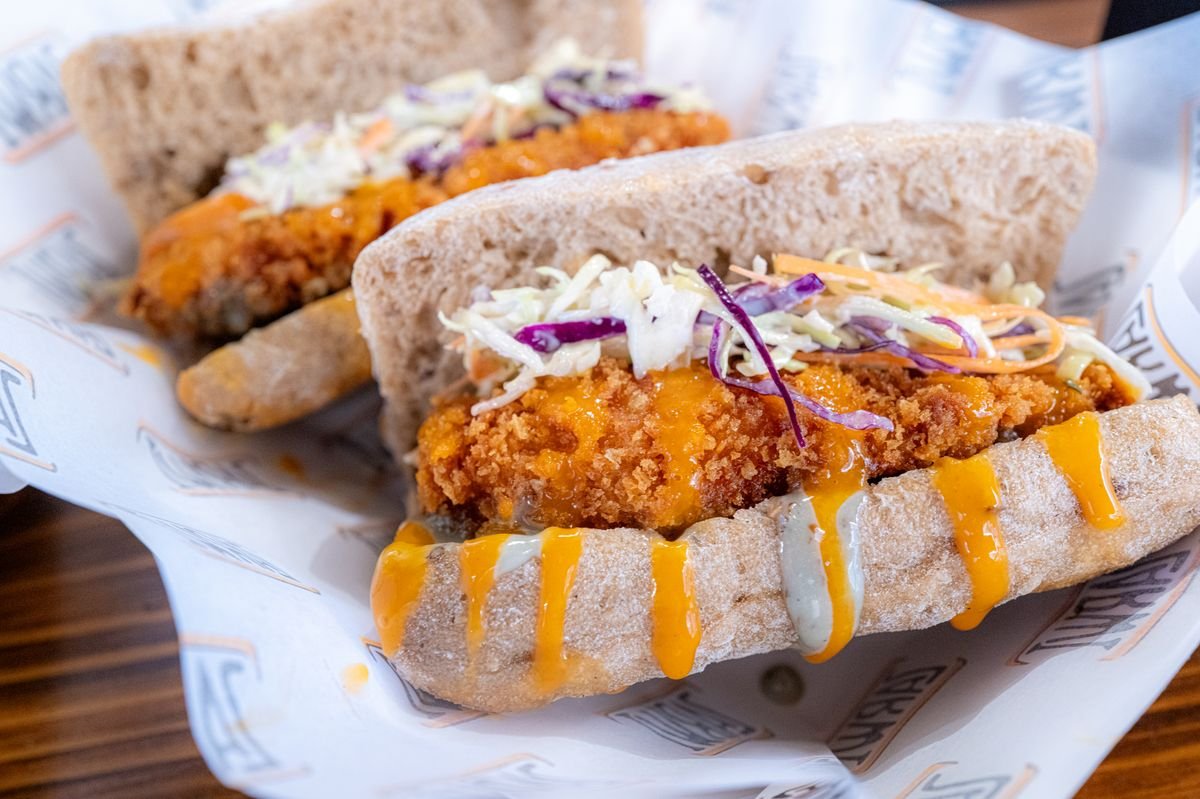
McSpicy has been used as a menu name for spicy chicken sandwiches in a number of countries, mostly across parts of Asia and other regions. Availability changes over time and from one market to the next, so this guide frames the item as locally variable and historical where we cannot cite a current source. Always check your local menu.
A name, not one recipe
A sandwich name can be reused across markets with different sauces, coatings and bun styles. Some versions have been described as noticeably hotter than others, and some are paired with lettuce and a creamy sauce while others differ. Do not assume that a sandwich you tried in one country will match another.
How spice is described
Heat is subjective and recipes are tuned to local tastes. A version that seems mild in one place may feel intense elsewhere. If you are sensitive to spice, start with the sauce on the side, or choose a different item. Drinking something cold or eating dairy generally softens the effect.
Finding out what is currently offered
The most reliable source is the official local menu or app for your country and restaurant. Limited-time items come and go, and a product mentioned in a travel blog may have been withdrawn. Treat older reviews as history, not as current availability.
Heat, texture and the spicy sandwich tradition
Spicy chicken sandwiches share a few traits: a crunchy coating, a juicy interior and a tangy or creamy sauce that tempers the heat. How hot the sandwich feels depends on the seasoning and on your own tolerance, which is shaped by what you usually eat. People who rarely eat chilli may find a modest level intense, while regular chilli eaters may find the same sandwich mild. Because recipes differ, a review written in one country tells you little about another. If you are curious, read several recent local reviews, and watch for words such as mild, medium or fiery. Treat them as impressions rather than measurements, and remember that a sandwich can taste different depending on freshness and on how long it has been sitting before you eat it.
Pairing ideas
People often pair spicy chicken with something cooling, such as a plain shake or a simple side. Fries are the common companion, and some fans like a sweet sauce for contrast. These are suggestions, not rules, and no combination is officially endorsed here.
Allergens and dietary needs
Coatings, sauces and cooking oils can differ by market. If you have allergies or follow a specific diet, use current official local allergen information and ask the restaurant directly. This site is unofficial and cannot confirm the content of any recipe.
Editorial author: Rabeea Naseer · Independent publication, not an official company source.